Most homeowners use the terms interchangeably, but they're not the same. Here's what you need to know before hiring a contractor.
If the mortar between your bricks is cracking, crumbling, or missing, you may hear two terms: tuckpointing and repointing. In everyday Chicago-area contracting conversations they are often used interchangeably, but they have different technical meanings. Understanding the distinction helps you compare proposals and ask whether the work will actually protect your masonry.
What Repointing Means
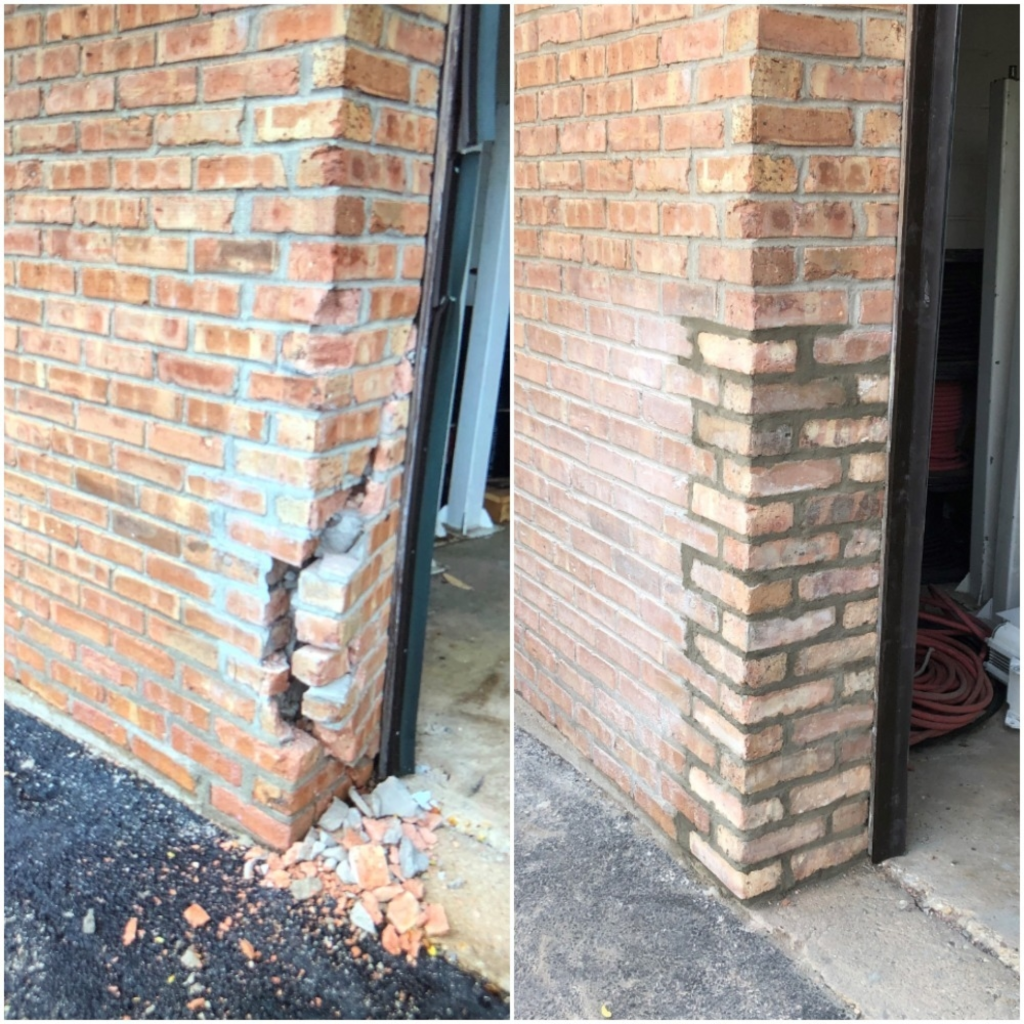
Repointing means carefully removing deteriorated mortar from existing masonry joints and installing compatible new mortar. The objective is to restore sound joints while preserving the brick or stone. Good repointing is not simply smearing fresh mortar over loose material: the joint must be prepared properly, and the new mortar must be selected and installed for the existing masonry.
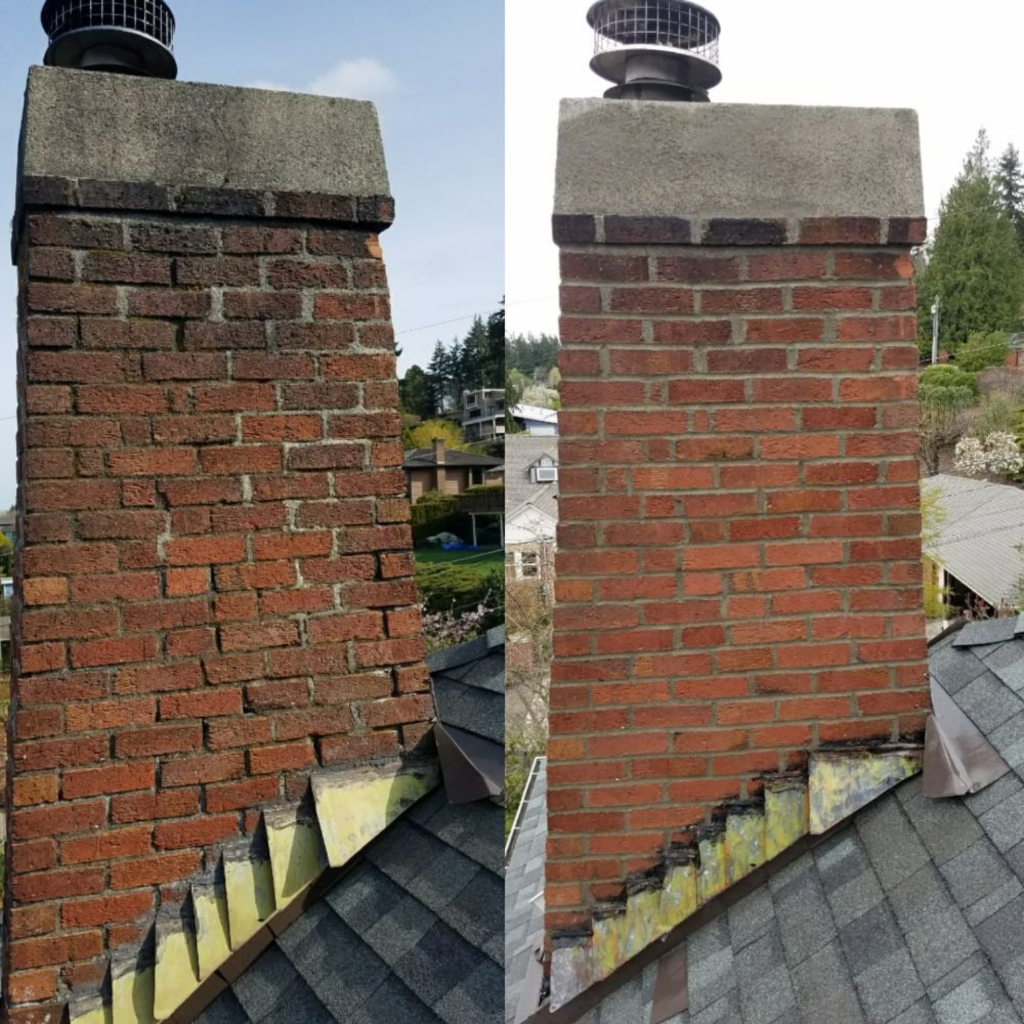
Repointing is common on brick walls, chimneys, parapets, porches, and older buildings where mortar has weathered away. It can improve weather resistance, but it cannot repair a failed lintel, a shifting foundation, or bricks whose faces are already breaking apart.
What Traditional Tuckpointing Means
Historically, tuckpointing is a decorative masonry technique. A base mortar is selected to blend with the brick or surrounding masonry, and a narrow contrasting line is formed to create the appearance of fine, uniform joints. The visible line is part of the intended finish, not a substitute for sound mortar beneath it.
In much of the Midwest, however, the word tuckpointing is commonly used to describe ordinary mortar-joint restoration. A homeowner requesting tuckpointing usually wants failing joints repaired, whether or not any decorative joint treatment is involved. The written scope matters more than the label.
Why the Mortar Mix Matters
Mortar must be compatible with the masonry around it. Older, relatively soft brick and some historic walls may need a more flexible, vapor-permeable mortar than newer construction. An excessively hard mortar can transfer stress to vulnerable brick and contribute to damaged faces or edges. The appropriate material depends on the brick, original mortar, exposure, and building conditions.
Color and joint profile also matter, particularly on prominent front elevations. Matching an older wall may require testing a sample before committing to an entire facade. A nearly correct mortar color can still look conspicuously different once it cures.
Signs Your Brickwork May Need Joint Repair
- Mortar that powders or falls out when lightly brushed.
- Open or recessed joints where rain can collect.
- Cracked mortar around chimneys, windows, parapets, or porch masonry.
- Repeated dampness near a deteriorated exterior wall.
- Loose bricks or missing joint material, especially above walkways or entries.
Flaking or spalling brick faces are a different warning sign. Water, incompatible mortar, trapped moisture, failed flashing, or movement may be involved. Filling the joints alone may leave the underlying problem unchanged. Loose or unstable masonry should be assessed promptly, particularly where it could fall.
What a Clear Tuckpointing Estimate Should Describe
- Exactly which elevations, chimneys, or sections of wall are included.
- How loose or failed mortar will be removed without unnecessarily damaging the brick.
- What mortar type, appearance, and joint profile will be used.
- How adjacent surfaces, windows, landscaping, and pedestrians will be protected.
- Whether damaged bricks, failing lintels, caps, or flashing are separate repair items.
- Whether scaffolding or other access equipment is needed for safe inspection and work.
When sending photos for a masonry estimate, include both a close-up of the mortar and a wide photo of the entire wall or chimney. That context helps identify access needs such as ladders or scaffolding and whether the problem appears limited to mortar joints.
Does Repointing Stop Every Brick Leak?
No. Repointing can restore deteriorated joints, but water may also be entering through roof or window flashing, coping stones, cracked bricks, a chimney crown, or a drainage detail. The right repair starts with locating the moisture path instead of assuming every leak comes through a mortar joint.
Which Service Should You Request?
For crumbling or missing mortar, ask for a masonry-joint inspection and a written repointing or tuckpointing scope. If brick faces are spalling, walls are moving, or metal lintels show rust-related cracking, include those concerns in the request. Chicagoland Masonry & Concrete handles masonry restoration throughout the Chicago suburbs and can help identify the appropriate scope.
Veteran-Owned · Chicagoland
Have a Project in Mind?
We offer free estimates with no pressure and no obligation. Response within one business day.
Related Services
Keep Reading