Concrete Patching Contractor · Chicagoland
Concrete Patching That Fixes
the Damage Before It Spreads.
Repair chipped, cracked, spalled, and deteriorated concrete on steps, porches, sidewalks, and exterior surfaces. CLMC handles targeted concrete patching across Chicagoland.
About Concrete Patching
Patch the Damage Before It Gets Worse.
Concrete patching can address surface damage, small broken areas, chips, spalling, and worn edges before they turn into bigger problems. In Chicagoland, that means dealing with the effects of 30–40 freeze-thaw cycles every winter, deicing salts that break down the surface, moisture that works into every crack, and daily foot and vehicle traffic that grinds it all in.
Not every damaged slab needs to be torn out and replaced. When the damage is localized and the base underneath is still solid, a properly done patch can extend the life of the concrete and make the surface safer and cleaner, without the cost and disruption of full replacement.
We handle patching as part of our broader concrete services and alongside larger concrete flatwork projects. If you're not sure whether your concrete can be patched or needs to be replaced, we'll tell you straight. For broader cracking, settlement, or structural concrete issues beyond surface patching, see our broader concrete repair services. When a porch or stoop is beyond patching, we also take on full porch repair and replacement.
What We Patch
Concrete Problems We Patch
Spalled Concrete
Surface scaling and flaking from freeze-thaw cycles and salt exposure.
Chipped Steps
Broken or chipped step edges and nosings that create trip hazards.
Broken Corners & Edges
Cracked or missing corners on slabs, stoops, and pad edges.
Cracked Surface Areas
Surface cracking that should be addressed before it spreads.
Worn Porch Surfaces
Aging porch tops with surface deterioration and wear.
Step Face Damage
Spalled or broken vertical faces on concrete steps.
Small Slab Damage
Localized damage on otherwise sound concrete slabs.
Walkway Trip Hazards
Small offsets and spalled joints that create trip points, where appropriate.
Driveway & Sidewalk Patches
Surface patches on driveways and sidewalk sections.
Honest Assessment
When Patching Makes Sense and When It Doesn't
Patching Makes Sense When
Replacement May Be Better If
CLMC will not recommend patching if replacement is the better long-term fix. We'd rather tell you the truth and earn the full job than patch something that fails in a year. For full concrete replacement, see our concrete services and concrete flatwork pages.
Where We Work
Where We Patch Concrete
How We Work
Our Concrete Patching Process
01
Inspect the Damaged Area
We look at the cracked, spalled, or chipped area and assess how deep the damage goes and what caused it.
02
Remove Loose Material
Failed concrete, loose chips, and debris are removed so the patch has a solid surface to bond to.
03
Check the Base
We determine whether the concrete underneath is stable. If the base has failed, patching won't hold, and we'll tell you that.
04
Clean & Prepare
The area is cleaned and edges are squared up so the repair material bonds properly to sound concrete.
05
Patch, Shape & Finish
The repair material is applied, shaped to match the surrounding surface, and finished to blend in as cleanly as possible.
06
Seal or Replace?
If the patch is solid, we may recommend sealing. If the surrounding concrete is failing too, we'll recommend replacement instead.
Project Gallery
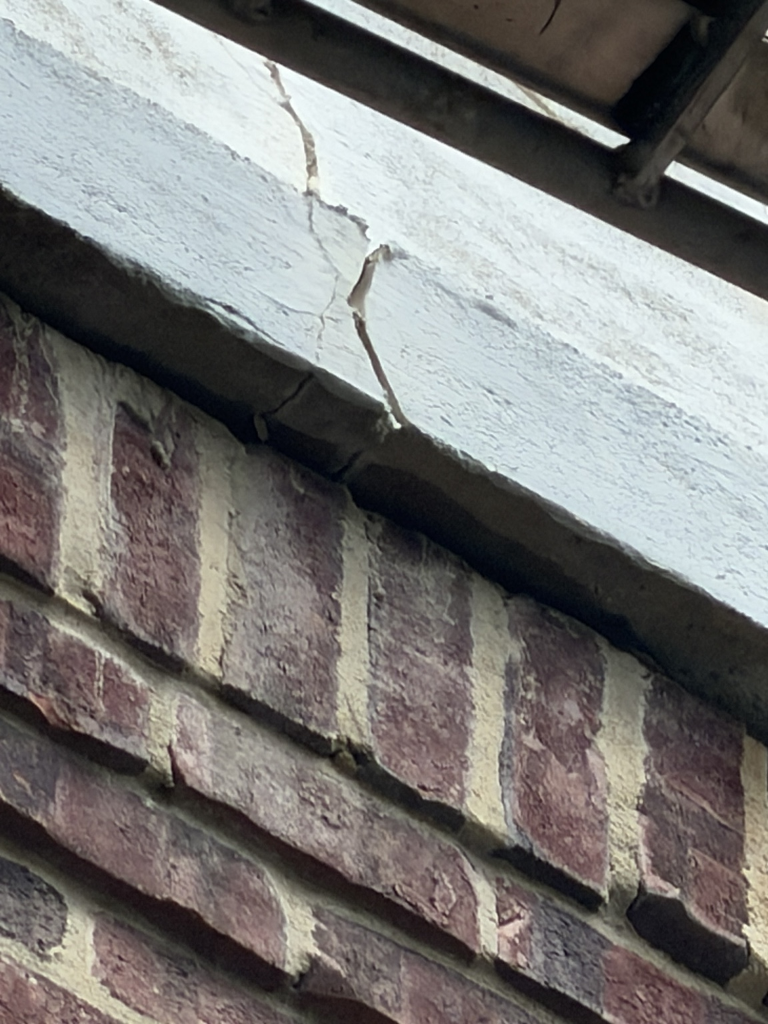
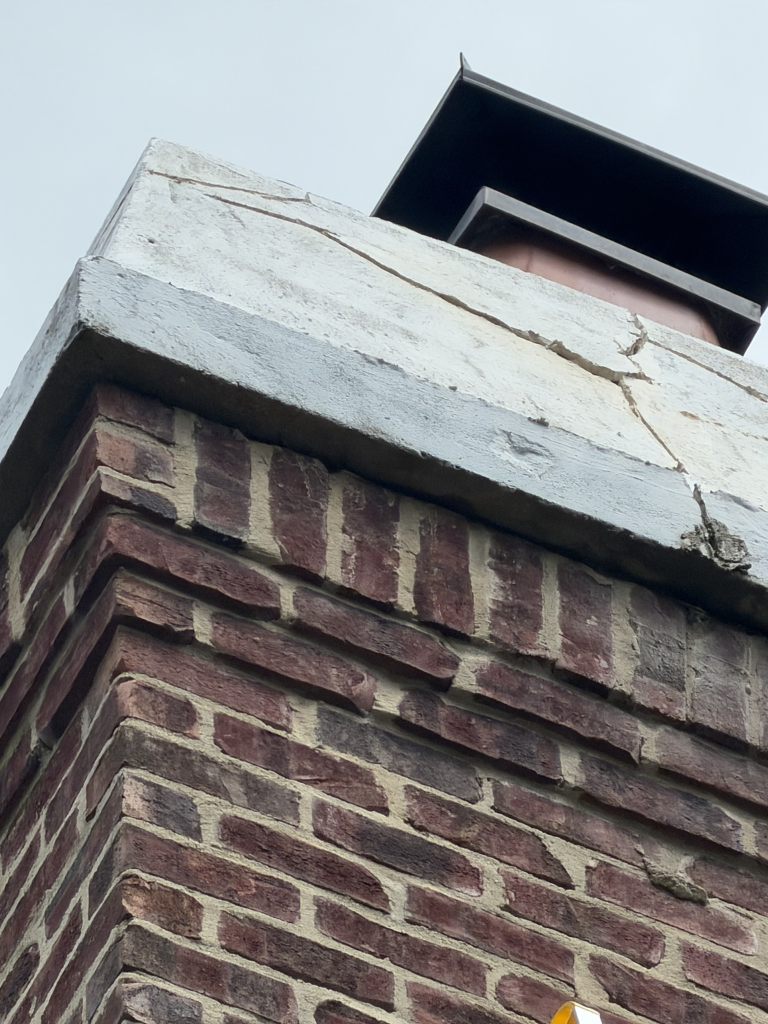
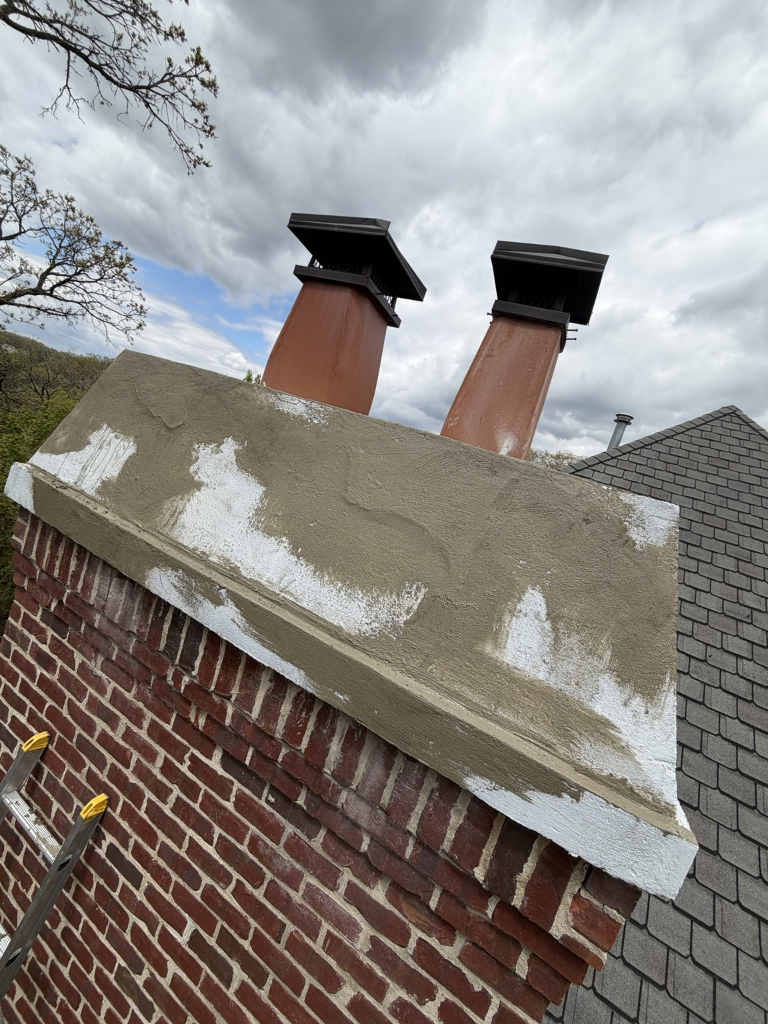
Real Concrete Patching Example
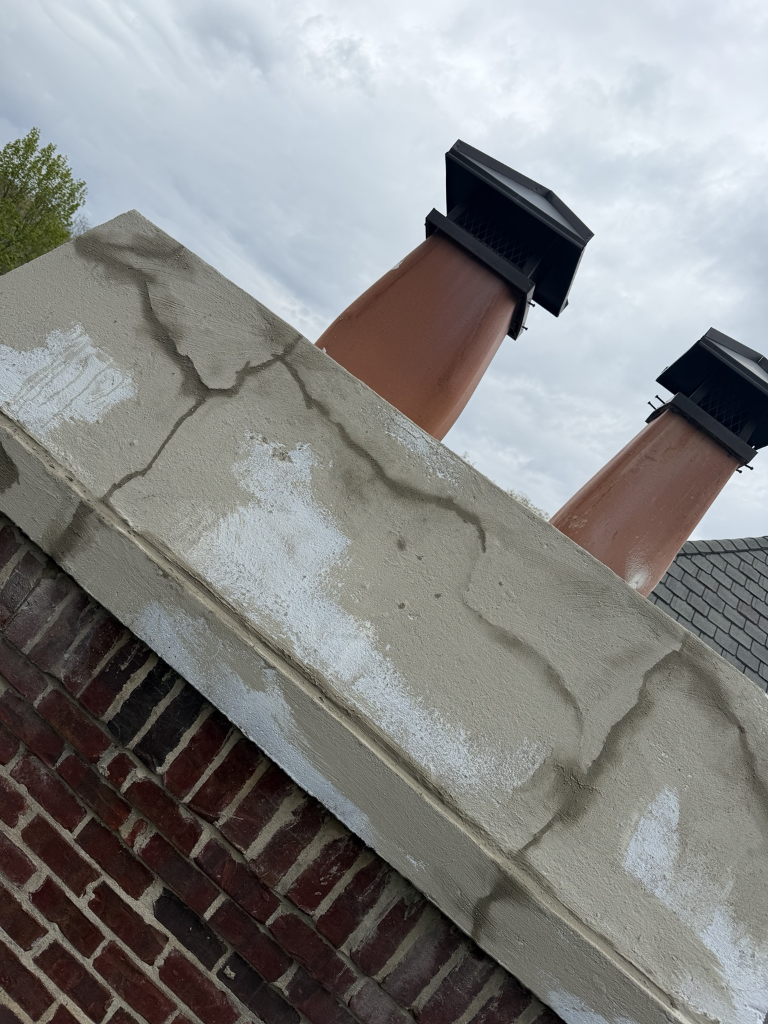
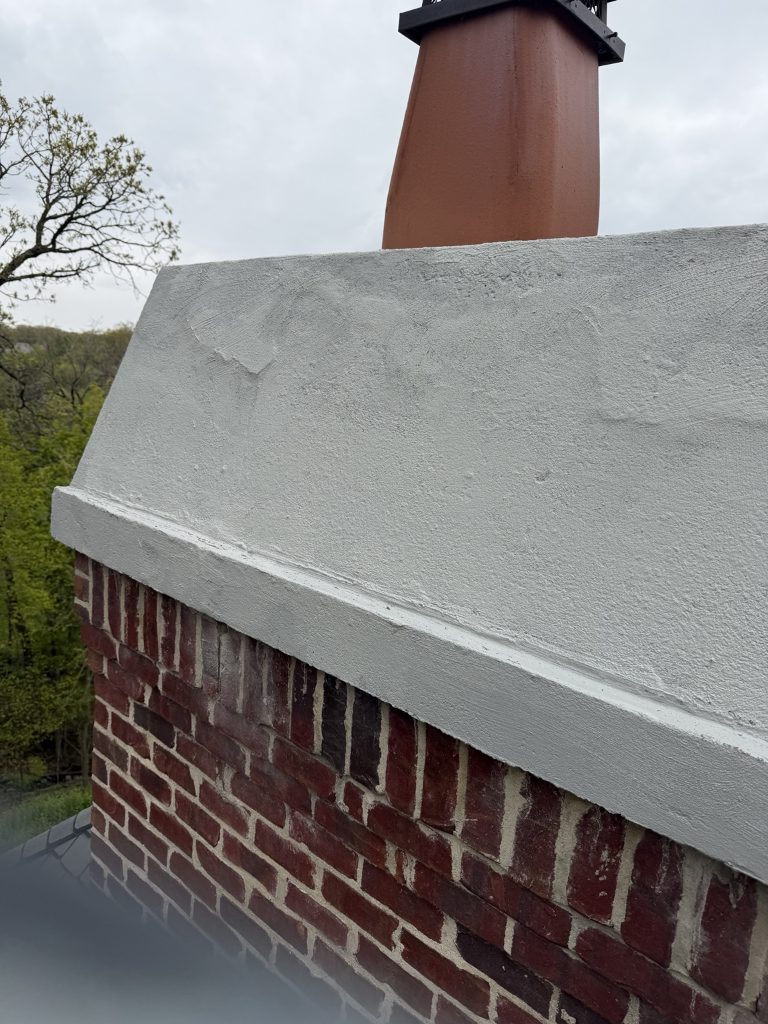
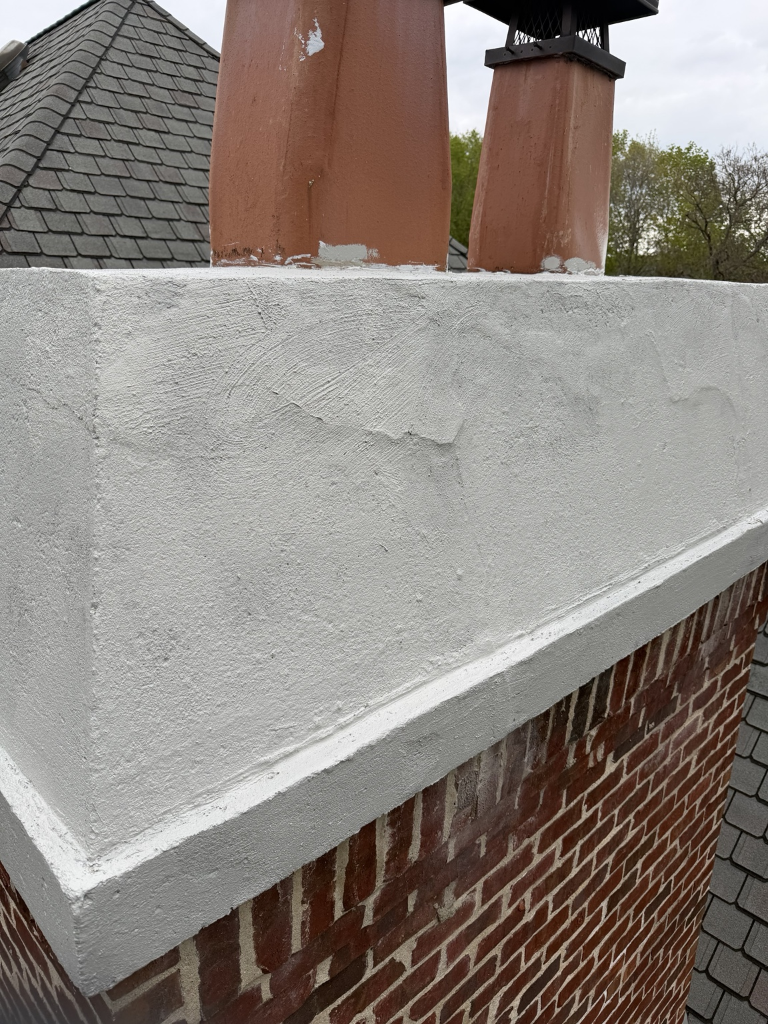
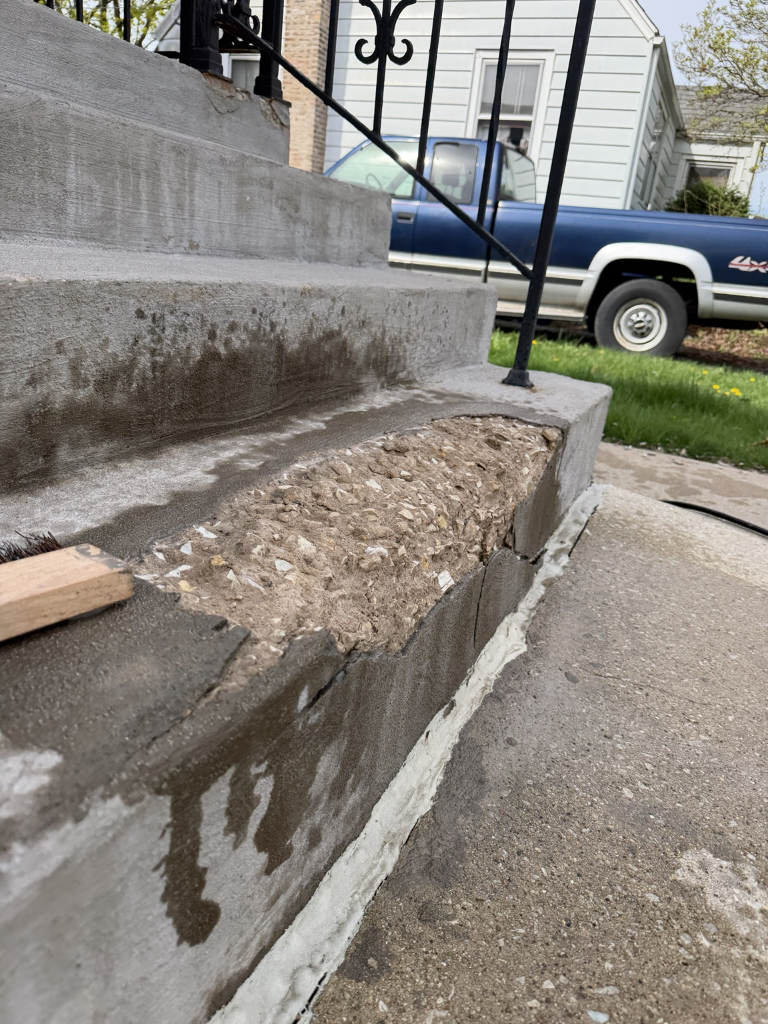
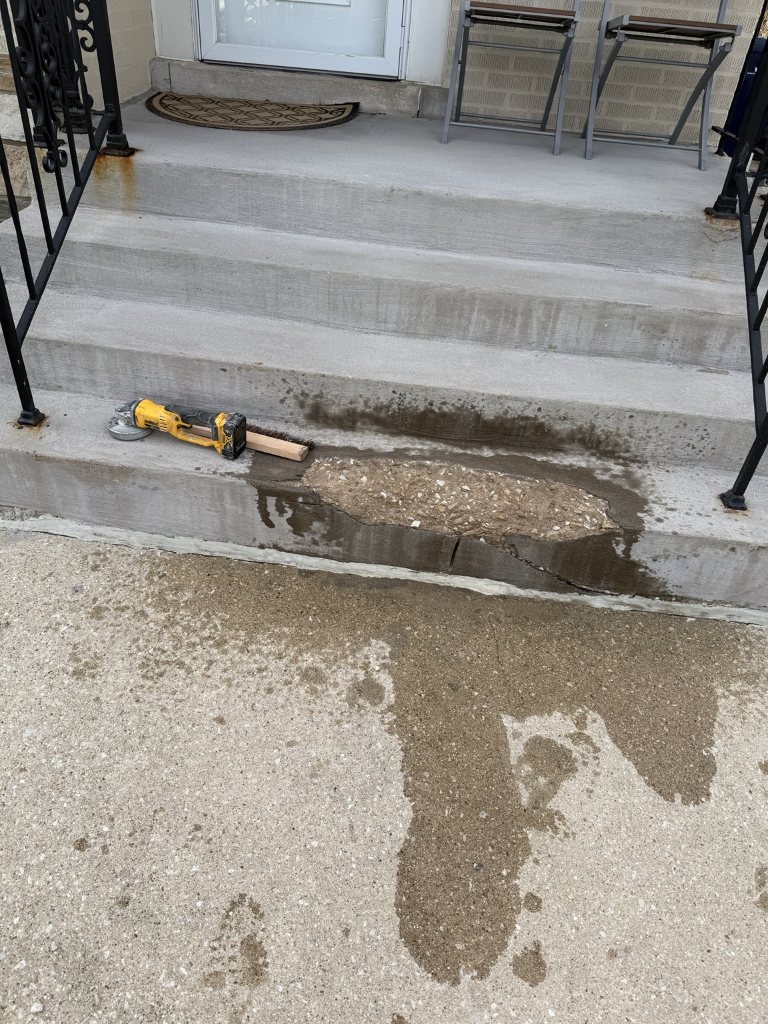
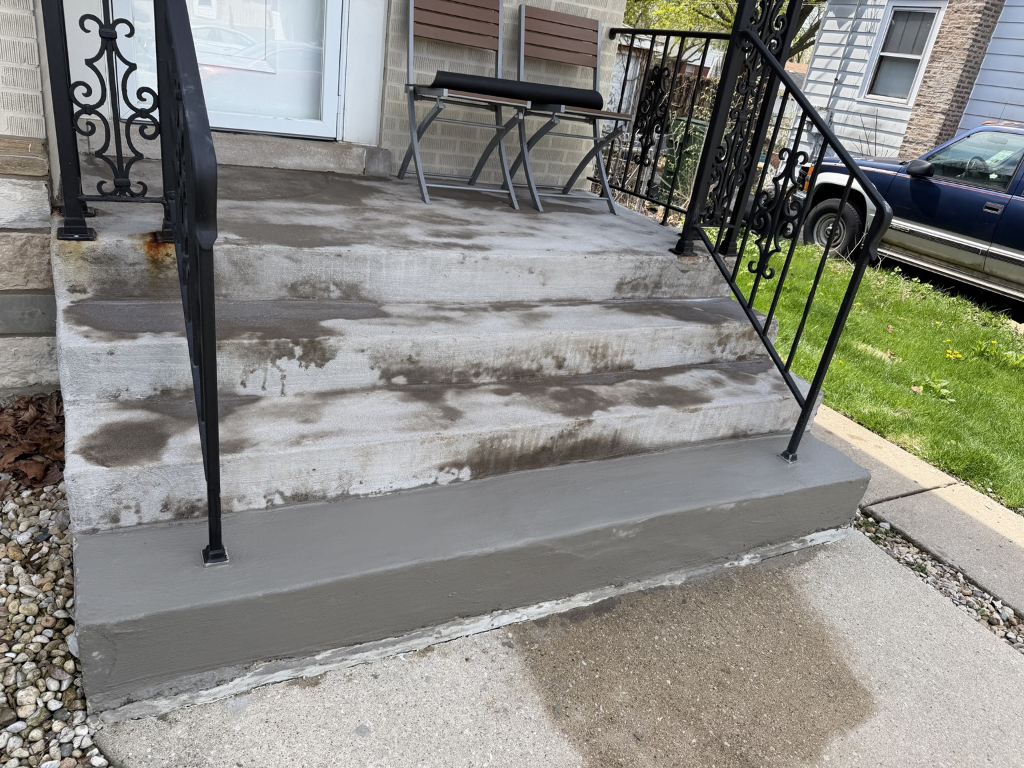
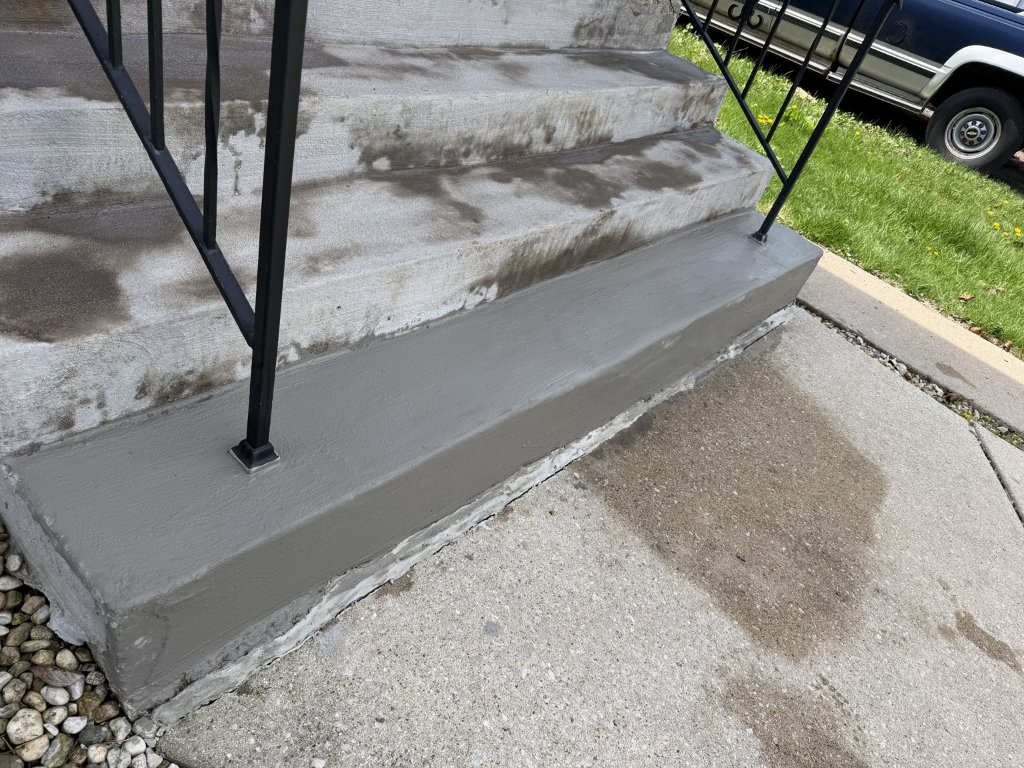
These photos show real concrete patching work, including damaged step areas, repair preparation, patching progress, and the finished repaired surface. Coverage and finish depend on the condition of the surrounding concrete.
Need Concrete Patched?
Send CLMC a photo of your damaged step, porch, sidewalk, or concrete surface. We can let you know whether patching is a good option or if replacement makes more sense.
Why CLMC
Why Homeowners Call CLMC
Local Chicagoland contractor. We know the soil, climate, and freeze-thaw conditions
Honest repair vs. replacement recommendations, no unnecessary work
Experience with steps, porches, stoops, and exterior concrete
Clean, targeted repairs that blend with the surrounding surface
Free estimates on every concrete patching project
Licensed and insured, veteran-owned and operated
Questions
FAQ: Concrete Patching
Can cracked or chipped concrete be patched?
Yes, if the damage is localized and the surrounding concrete is stable. If the concrete is badly cracked, sinking, or failing, replacement may be the better option.
Can you patch concrete steps?
Yes. CLMC patches chipped, cracked, and worn concrete steps when the structure is still sound.
Is concrete patching cheaper than replacement?
Patching is usually less involved than replacement, but the right option depends on the condition of the concrete. CLMC will recommend what makes the most sense.
Will the concrete patch match perfectly?
Not always. Patching can improve safety and appearance, but exact color matching is difficult because older concrete has weathered over time.
When should concrete be replaced instead of patched?
Replacement may be better when the concrete is sinking, moving, severely cracked, structurally compromised, or too deteriorated for a patch to bond properly.