Freeze-thaw cycles are the #1 enemy of concrete in the Chicagoland area. Here's exactly what happens and how to prevent it.
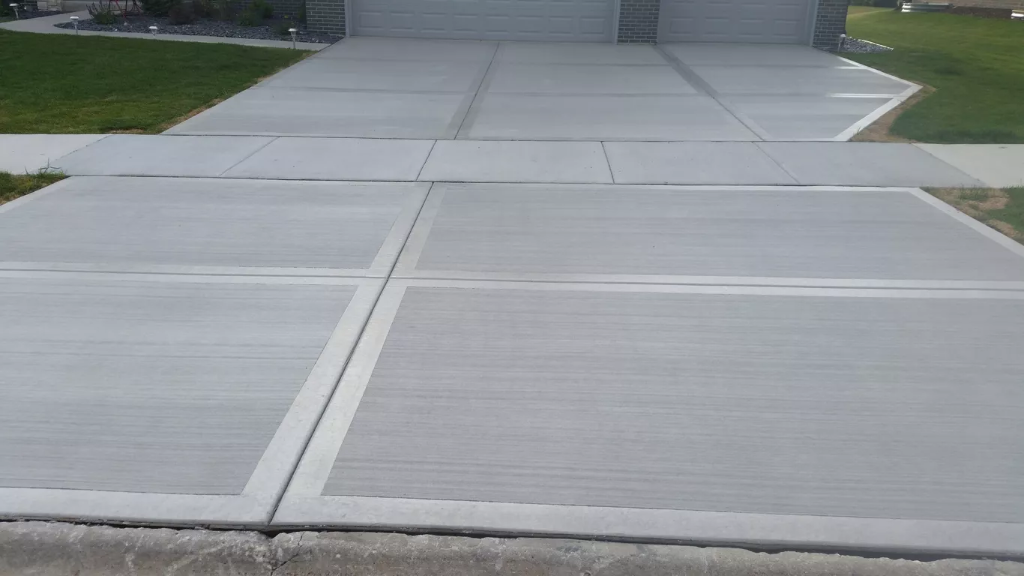
Concrete driveways, steps, sidewalks, and patios face a difficult combination in Chicagoland: repeated freezing and thawing, moisture, snow removal, and winter deicing products. Damage often becomes most visible in spring, when a surface that looked intact in fall begins to scale, chip, or crack. The right repair depends on what is happening below the surface, not just what the damage looks like from the sidewalk.
What Freeze-Thaw Cycles Do to Concrete
Concrete contains pores and microscopic pathways that can absorb water. When sufficiently saturated concrete freezes, ice formation creates stresses within the material. Repeated cycles can gradually weaken a vulnerable surface. Exterior concrete designed and installed for a northern Illinois climate should account for these conditions, but poor drainage, low-quality finishing, inadequate curing, and existing cracks can make a slab more susceptible.
The problem is often concentrated where water sits: the low spot beside a garage, an entry step beneath a dripping gutter, the edge of a walkway, or a driveway joint that holds meltwater. Snow may disappear, but trapped moisture can refreeze many times before spring.
Common Signs of Winter Concrete Damage
- Surface scaling: thin layers of paste peel or flake away, exposing a rough texture.
- Spalling: larger chips or broken pieces detach from steps, edges, or exposed concrete.
- Cracking: a hairline crack may widen as moisture enters, freezes, and moves the surrounding material.
- Joint deterioration: damaged edges or missing sealant allow water and debris to collect.
- Settlement or uneven slabs: a change in elevation can point to base, drainage, or soil issues rather than surface freeze-thaw damage alone.
A small patch of scaling and a step that has shifted enough to create a trip hazard require different approaches. If the concrete is moving, sinking, separating from the building, or carrying a structural load, a surface coating will not address the underlying cause.
Why Winter Salt Can Make Things Worse
Deicing chemicals may increase the number and severity of freeze-thaw exposures near the concrete surface, especially when the slab is young, poorly cured, or already distressed. Runoff from vehicles can also bring deicers onto garage aprons and driveways. Different deicing products behave differently, so there is no universal salt that is harmless to all concrete.
Keep snow from building up when practical, use traction aids appropriately, and follow concrete and deicer manufacturers' instructions. Newly placed concrete deserves particular care during its first winter. Do not assume that applying more chemical deicer will prevent damage.
Practical Ways to Reduce Winter Damage
- Keep gutters and downspouts from discharging repeatedly onto steps and slabs.
- Correct low spots and drainage problems when feasible, rather than repeatedly patching wet areas.
- Remove snow promptly with tools that will not gouge the surface.
- Check joints, edges, and existing cracks before winter; repair or seal them only with appropriate materials.
- Ask whether a breathable or penetrating concrete sealer is suitable for the slab's age, condition, and moisture exposure.
- For new exterior slabs, specify a concrete mix, placement, finishing, and curing approach appropriate for freeze-thaw exposure.
Patch, Resurface, or Replace?
Localized deterioration in otherwise sound, stable concrete may be a candidate for properly prepared patching or surface repair. Loose material needs to be removed and the repair product must be appropriate for the substrate and expected exposure. Thin cosmetic repairs over weak concrete often fail because the underlying surface remains unsound.
Broad, deep deterioration; substantial settlement; or damage involving structural support may justify a more extensive repair or replacement. An on-site inspection can establish how much material is unsound, whether water management needs to change, and whether the affected area can reasonably be repaired.
Before requesting an estimate, take a few clear photographs: one showing the full driveway, step, or patio, and a closer view of the damaged area. Photos help a contractor understand the scope and arrive prepared, but they do not replace an in-person assessment when movement or hidden damage is suspected.
Should You Seal Concrete Before Winter?
Sealing may help certain sound exterior surfaces resist water entry, but the product must match the concrete and its condition. A sealer will not stabilize a sinking slab, rebuild loose edges, or fix a leaking downspout. If the surface is peeling or damp below the finish, address those conditions before applying a coating.
When to Ask a Concrete Contractor to Look
Request an assessment when cracks are widening, step edges are breaking away, concrete is uneven underfoot, or deterioration returns after repeated patching. Chicagoland Masonry & Concrete works with concrete repair and restoration projects across the Chicago area; the goal is to identify a repair that fits both the damage and its cause.
Veteran-Owned · Chicagoland
Have a Project in Mind?
We offer free estimates with no pressure and no obligation. Response within one business day.
Related Services
Keep Reading